Historic restoration
Buying A Historic Home In Lincoln
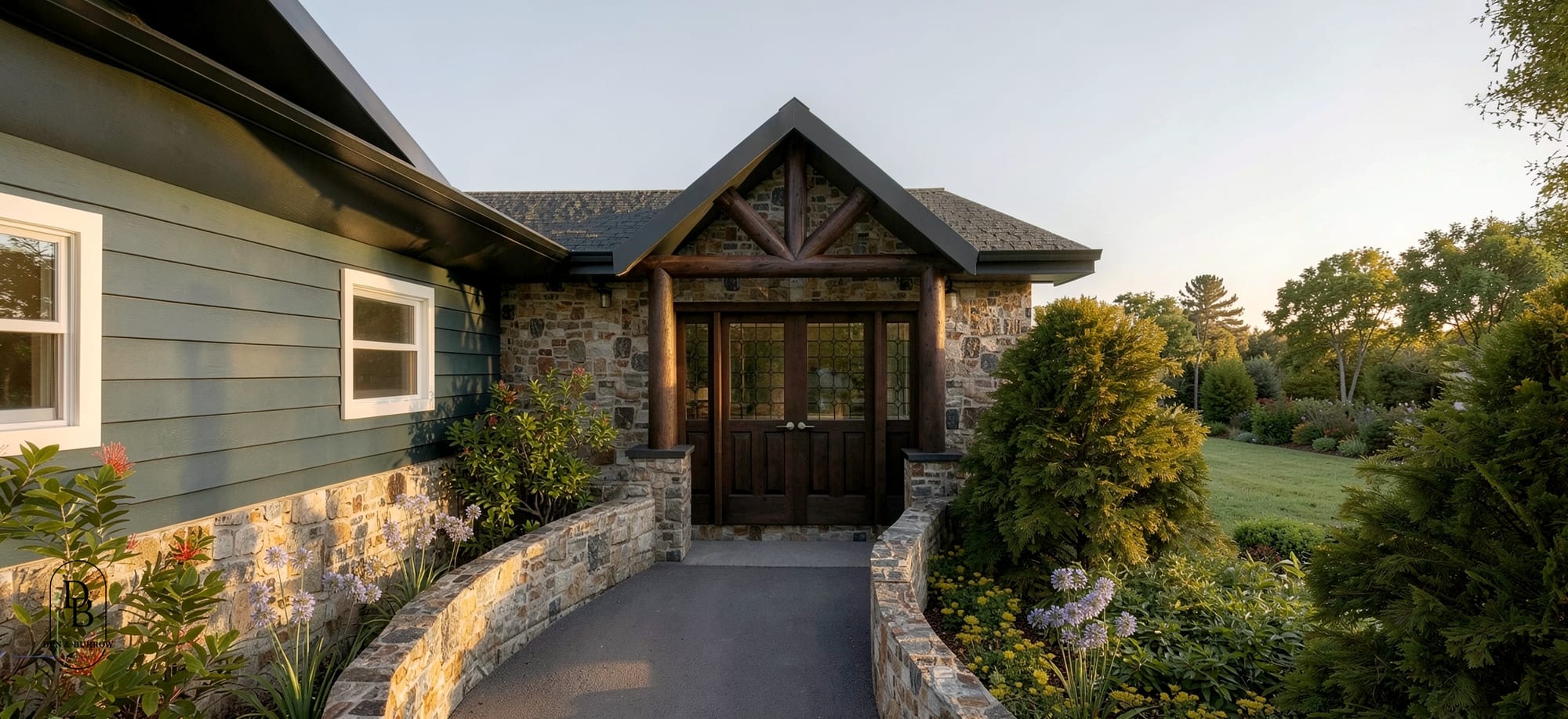
Lincoln has a lot of beautiful old houses, and when one comes up for sale, it’s easy to fall for the woodwork and the porch before you’ve looked at anything else. We love these houses too. We’ve also seen what an older home can be hiding, so here’s what we’d check before you sign. If you already own one and want to know how we restore them, read restoring a historic house.
Find Out What “Historic” Means For This House
A listing that says “historic” could mean several things. The house might be a designated City of Lincoln Landmark, sit inside a local Landmark District, be listed on the National Register of Historic Places, or simply be old. Each one carries different rules and different opportunities, so it’s worth knowing which you’re buying.
Local designation matters most for what you can change. Lincoln’s Historic Preservation Commission reviews proposed changes to designated landmarks and to properties within landmark districts, and the city publishes design standards for that review. If you’re picturing new windows, siding, a porch rebuild, or an addition, find out up front whether that work goes through the Commission. The city’s Historic Preservation page links to its designations and a property research map, and the preservation staff can tell you the status of a specific address.
Look At The Bones First
Paint, floors, and kitchens are the easy part. The things that decide whether an old house is a good buy are the ones that keep water out and hold the house up. Walk the basement and look at the foundation walls for cracks, bowing, and signs of water. Look at the roof and the gutters, and check where the downspouts send water. Water that sits against an old foundation is worth taking seriously.
Then look at the parts that make the house worth buying in the first place. Original windows, trim, doors, and porch details can usually be repaired, and once they’re gone, they can’t be bought back. A sagging porch or rotted sill can be rebuilt in kind. Knowing which parts are sound and which are failing gives you a realistic picture of the work ahead.
The Systems Behind The Walls
Older homes often carry several generations of wiring, plumbing, and heating, added by different people over many decades. Ask the seller what’s been updated and when, and get an inspector who’s comfortable with older houses. Old wiring, old supply and drain lines, an aging boiler or furnace, and very little insulation are all common, and any of them can turn into a real line in your budget.
Updating those systems is very doable. It just takes care, because running new wire, ductwork, or plumbing through plaster walls and old framing is slower than in new construction, and the goal is to fit modern systems without tearing out the details you bought the house for. That planning is a big part of our historic restoration work.
Tax Incentives Worth Knowing About
Nebraska has a property tax program for historic homes called the Valuation Incentive Program, run through the State Historic Preservation Office. If a house is listed on the National Register, sits in a National Register district, or is designated under an approved local landmark ordinance, and you complete a substantial rehabilitation costing at least 25% of its assessed value, the assessed value can stay at its pre-rehabilitation level for eight years and then phase up over four more. The approval process starts with the proposed work, so it has to happen before construction. The Nebraska Department of Revenue explains the details in its guide to historically significant real property.
Nebraska’s separate Historic Tax Credit excludes single-family detached homes, so it usually won’t apply to a house you plan to live in. Talk with a tax professional before you count on any incentive, and we can help you plan the work around the timing.
Bring A Builder In Before You Close
A home inspection tells you what’s wrong. A builder who works on old houses can tell you what it’ll take to fix it, what should be kept, and what the order of work should look like. That’s worth knowing while you can still negotiate. You can read more about our historic restoration work, and how we decide what to keep and what to rebuild.
If you’re looking at an older house in Lincoln or Seward, book a one-hour design consultation by video or phone for $105. Send us the listing and your inspection report, and we’ll talk through what the house needs and what we’d want to look at in person.
See how we handle historic home restoration in Lincoln.