Costs and budgets
How Construction Loans Work In Nebraska
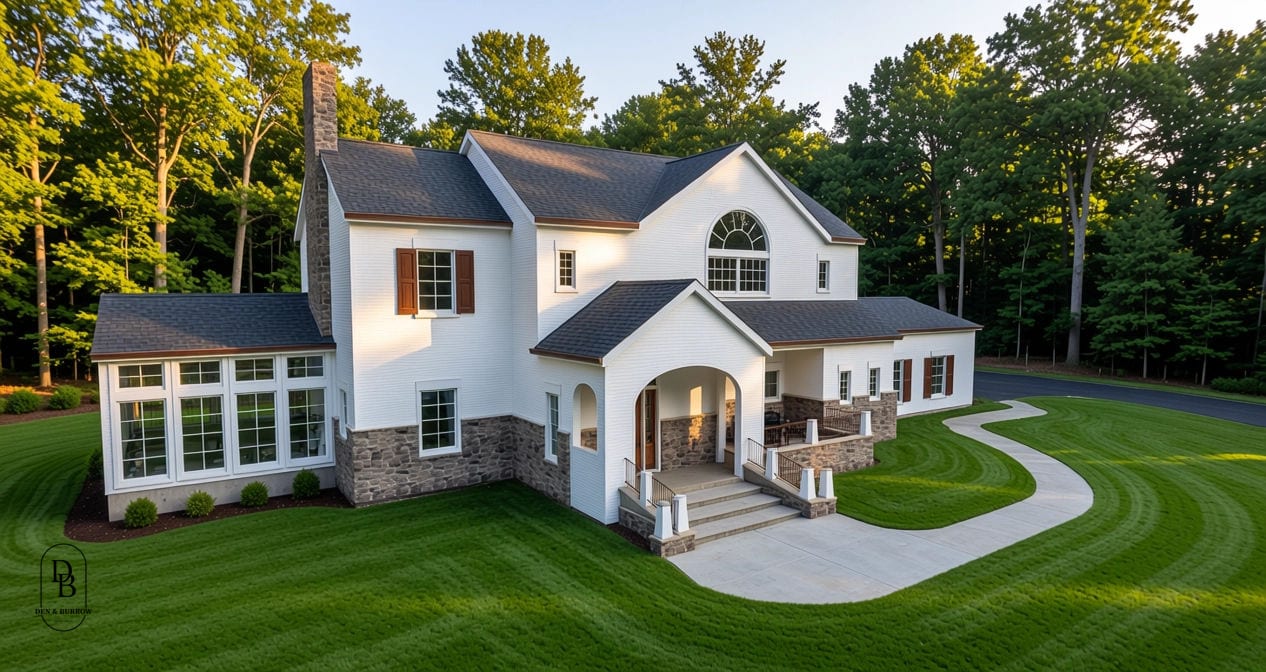
Building a house gets paid for differently than buying one. A regular mortgage covers a finished home on closing day. A construction loan pays for a home that’s still on paper, a piece at a time, as it goes up. Here’s how that works, what you’ll likely need to put down, and where the government programs come in for Nebraska buyers.
How The Money Moves During A Build
A construction loan releases money in stages called draws. When a phase of the work is done, the lender confirms it with an inspection and pays out the next portion of the budget. The money follows the progress on site, from the foundation through framing and on to the finishes.
That rhythm shapes the schedule. In our process, draws are tied to inspections, and when a draw runs late, the work waits on it. Ask any lender you’re considering how often they handle construction loans and how quickly they turn draws around. Most construction loans also charge interest only on the money drawn so far, so payments during the build usually start small and grow along with the house. Your lender explains exactly how theirs is set up.
One Closing Or Two
Construction financing comes in two basic shapes. A construction-only loan covers the build, and once the house is finished you take out a separate mortgage to pay it off, which means applying and closing a second time. A construction-to-permanent loan, often called a one-time close, puts both phases into one loan that becomes a regular mortgage when the home is done.
The Consumer Financial Protection Bureau’s guidance on construction loan disclosures covers both setups, whether the two phases close together or separately. Either way you’ll get a Loan Estimate and a Closing Disclosure, and those two documents show what you’ll pay during construction and after it. Read them closely.
A single closing means one set of closing costs and your long-term loan arranged before construction starts. Two closings can leave more room to shop the permanent mortgage later, at the cost of qualifying twice.
How Much You’ll Put Down
The down payment depends on the loan program and your credit. For FHA-insured loans, HUD sets the minimum down payment at 3.5% for credit scores of 580 and up, and scores from 500 to 579 need 10%. Our Estimate Builder uses those same thresholds and won’t produce an estimate below 500. FHA also has a construction-to-permanent option, and HUD requires the builder on those loans to be a licensed general contractor. Lenders can add stricter requirements of their own, so treat the FHA figures as the floor.
VA-backed loans can be used to build a new home, and VA says there’s no down payment as long as the price doesn’t exceed the appraised value. Some lenders offer VA purchase loans and skip construction, so ask early.
Conventional construction loans are set lender by lender, so compare a few. If you already own your lot, ask each one whether its value can count toward your share.
USDA Construction Loans In Nebraska
USDA Rural Development’s Single Family Housing Guaranteed Loan Program can finance building a home with no down payment for households that qualify. Two tests apply. The property has to be in an area USDA considers rural, and household income can’t exceed 115% of the area median, with limits that vary by county and household size. The home has to be your primary residence.
USDA also has a single-close construction-to-permanent version, where the guarantee is issued before construction begins. Only USDA-approved lenders with construction lending experience can offer it, so the list is shorter.
In Nebraska, eligibility comes down to the exact address. Before you settle on a lot, run it through USDA’s eligibility tool, which checks the property and your income. A USDA-approved lender confirms the rest.
Matching The Loan To The House
What you can borrow sets the size of the house more than anything else. Our Estimate Builder works in that direction: enter your income, monthly debts, credit score, savings, and finish level, and it estimates what you could borrow and the size of home that supports, land not included. It caps your debt-to-income ratio by credit score the way lenders typically do. Its figures are planning estimates, and your lender gives you the real ones.
From there the per square foot math takes over. We plan at $225 for basic finishes, $250 for mid-tier, and from $300 for top-tier, with $30,000 set aside by default for closing, soft costs, and contingency. Our cost guide walks through those rates in detail.
Because we design, permit, and build with one team, your lender deals with one licensed contractor from plans to final inspection. If you’d like help lining up the house with the loan, book a one-hour design consultation by video or phone for $105, or call us at (402) 690-3567.
See where we work as a custom home builder in Nebraska.