Permits
Reading Lincoln’s Zoning Before You Buy A Lot
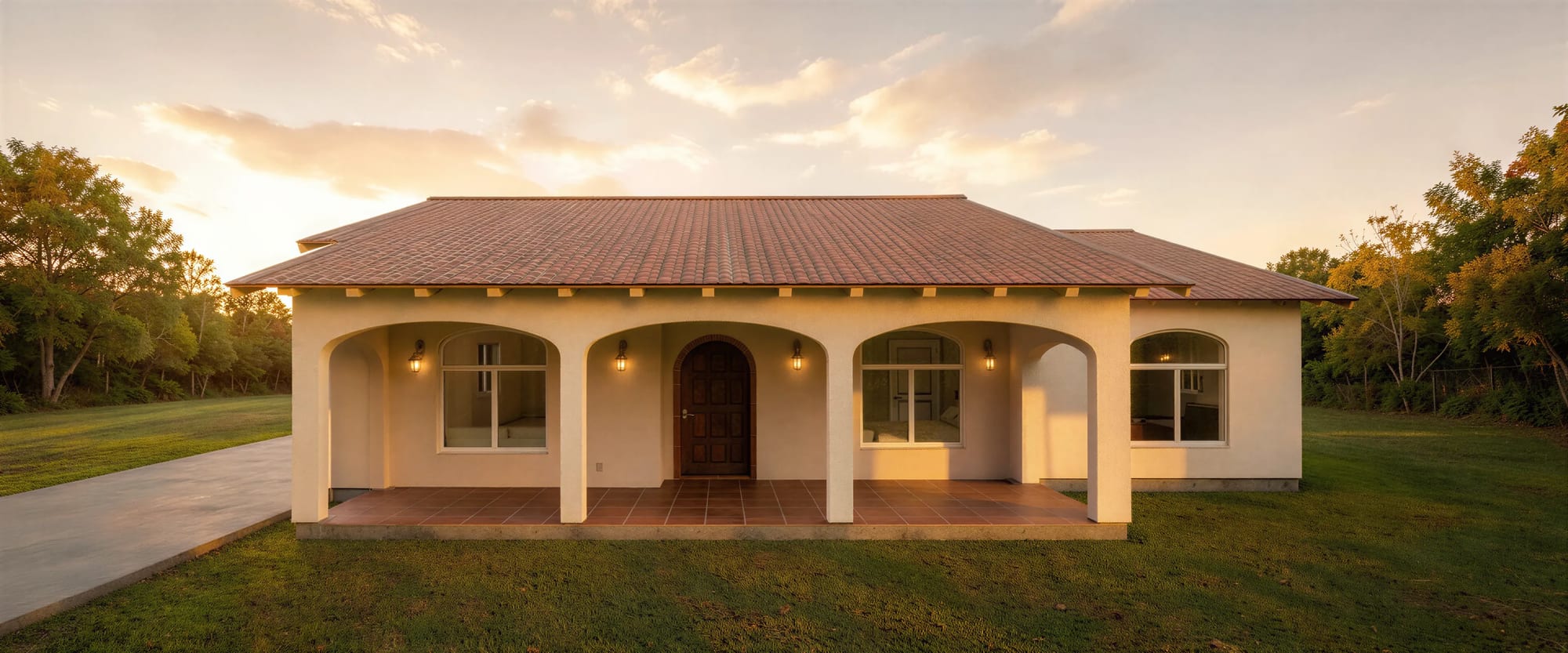
A lot can look perfect from the street and still be the wrong lot for the house you have in mind. Zoning decides what you can build, how big it can be, and where on the lot it can sit, and the time to read it is before you sign a purchase agreement. Here’s how we read zoning in Lincoln, and how you can get started on your own.
Start With The Zoning Map
Every parcel in Lincoln sits in a zoning district, and each district has a short code, like R-1 or AG. The city’s zoning page points to the zoning maps where you can look up a parcel and see its district. Write that code down. Everything else you read depends on it.
The same page links to a Use Groups Search, which shows the kinds of uses each district allows. For most lot buyers the first question is simple: is a single-family home allowed here? The map and the use tables answer that quickly. The harder questions are about size and placement, and those live in the ordinance itself.
Read The District Rules In Title 27
Lincoln’s zoning ordinance is Title 27 of the Lincoln Municipal Code. The city’s own advice is to find your district on the map, then open Title 27 and read the chapter for that district. Section 27.72 lays out the height and lot area regulations for each district, which is where you’ll find the numbers that shape a house: minimum lot size, required setbacks from each property line, and maximum height.
Read those numbers against the actual lot. A setback is how far a building has to stay back from a property line, and on a narrow or corner lot the setbacks can take a bigger bite out of the buildable area than people expect. Draw the setback lines on the plat, and the space left inside them is the most you can work with, before the driveway and grading enter the picture.
Look Past The Zoning District
Zoning is the first layer, and there are usually others. Recorded utility easements can limit where you build. Many subdivisions have covenants with their own rules on size, materials, or outbuildings, and those show up in the title work instead of the city code. Some parcels sit in a floodplain, and the city’s zoning page links to floodplain maps. A lot in a floodplain may need a floodplain permit before construction can start.
Most of this can be designed around. The point is to know about it before you own the lot, while it can still shape the price you offer or the decision to walk away.
Land Outside The City Limits
Lincoln’s zoning jurisdiction reaches three miles beyond the city limits, so some land that looks rural is still zoned by the city. Smaller towns in the county, such as Waverly and Hickman, zone the land inside their limits and up to a mile beyond them, and the Lancaster County Board zones the rest. The city publishes a zoning jurisdiction map that shows which body governs a given parcel.
Out where city water and sewer don’t reach, plan on a well and a septic system. Both add cost and site work that never shows up in a per square foot rate, so we factor them in early when a client is looking at acreage.
When The Zoning Doesn’t Fit
If the district doesn’t allow what you want, a change of zone is possible. In Lincoln it starts with the owner, or a prospective purchaser, filing a change of zone application and fee with the Planning Department, and the request goes through a public review process before any decision. The outcome is never guaranteed, so we treat a rezoning as a backup plan and look first for a lot that already fits.
Have Us Read It With You
Zoning research is part of the first phase of every project we design. During schematic design we study the site, the zoning, and the code, then test whether the house you want fits before anyone draws a final plan. If you’re weighing a lot right now, that same research can happen before you buy it.
For a backyard home on a Lincoln lot, our ADU Checker is a quick first look. For a new home, book a one-hour design consultation by video or phone for $105, bring the address, and we’ll go through the zoning together. You can reach us here.
Our guide on how to find a lot to build on in Lincoln covers the rest of the checklist.
Already own the lot? See how we build on your lot in Lincoln.